Introduction to American Fashion Culture
The United States has established itself as one of the world’s most influential fashion powerhouses, shaping global trends and setting standards for style innovation. From the runways of New York Fashion Week to the street style of Los Angeles, Best fashion USA represents a diverse tapestry of cultural influences, regional aesthetics, and individual expression. This comprehensive guide explores the best fashion trends, brands, shopping destinations, and style movements that define contemporary American fashion in 2026.
American fashion is characterized by its democratic approach to style, where high fashion meets streetwear, luxury brands coexist with accessible fast fashion, and regional differences create unique style ecosystems. Whether you’re seeking timeless classics, cutting-edge trends, or sustainable fashion options, the USA offers unparalleled variety and innovation in the fashion landscape.
The Evolution of American Fashion
Historical Foundations
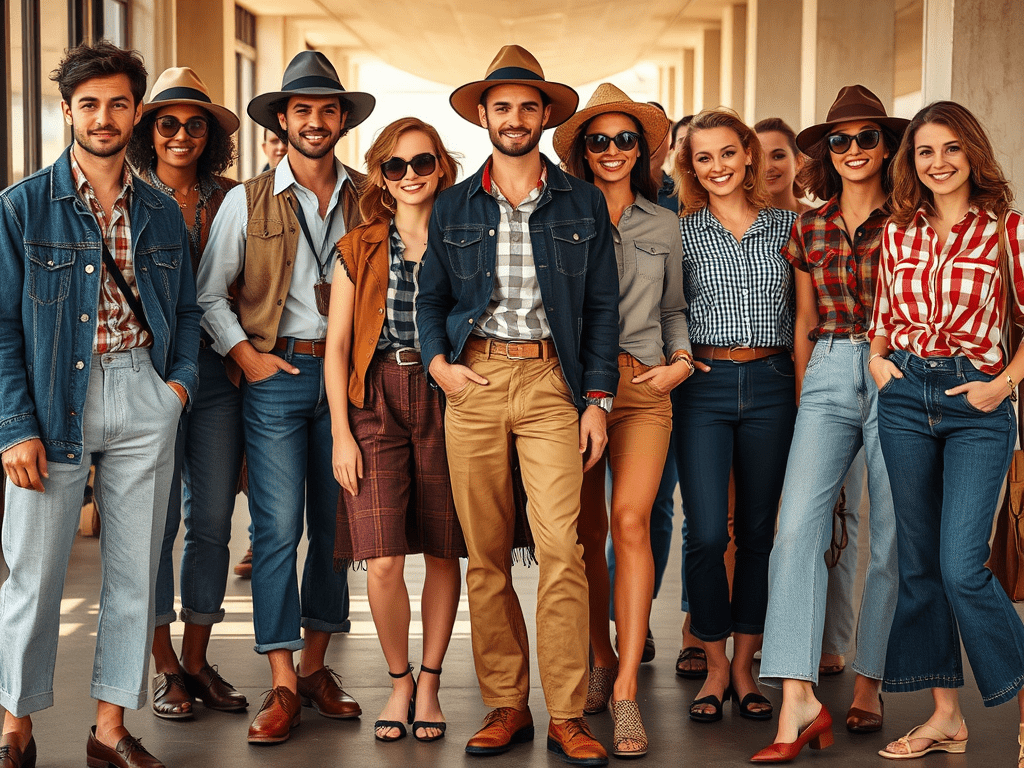
American fashion has evolved dramatically from its colonial beginnings to become a global trendsetter. The mid-20th century marked a turning point when American designers like Claire McCardell pioneered sportswear and ready-to-wear clothing, democratizing fashion for the masses. This practical yet stylish approach became distinctly American, setting the foundation for contemporary fashion culture.
The 1960s and 1970s brought revolutionary changes as American youth culture influenced global style through denim, casual wear, and countercultural movements. Designers like Ralph Lauren, Calvin Klein, and Donna Karan emerged in the 1970s and 1980s, establishing American fashion houses that rivaled European luxury brands.
Modern American Fashion Identity
Today’s American fashion landscape reflects the country’s multicultural heritage and technological innovation. The industry has shifted toward inclusivity, sustainability, and digital integration, with American brands leading conversations about body positivity, ethical manufacturing, and direct-to-consumer retail models.
Social media has transformed how Americans discover, share, and purchase fashion, with influencers and content creators playing pivotal roles in trendsetting. The rise of e-commerce and virtual shopping experiences has made American fashion more accessible globally while maintaining regional style distinctions that give the country’s fashion scene its unique character.
Top American Fashion Trends in 2026
Sustainable and Ethical Fashion
Sustainability has moved from niche concern to mainstream priority in American fashion. Consumers increasingly demand transparency about manufacturing processes, material sourcing, and labor practices. Brands are responding with recycled materials, circular fashion models, and carbon-neutral shipping options.
Vintage and secondhand shopping have experienced tremendous growth, with platforms like Depop, Poshmark, and ThredUp making pre-owned fashion accessible and desirable. Upcycling and clothing repair have become fashionable practices, reflecting a shift toward mindful consumption and away from disposable fashion culture.
Athleisure and Comfort-First Dressing
The athleisure trend continues to dominate USA fashion, blending performance wear with everyday style. High-quality leggings, stylish sneakers, and elevated sweatshirts have become wardrobe staples that transition seamlessly from gym to street to social settings.
This trend reflects American values of practicality and comfort without sacrificing style. Luxury brands have embraced athleisure, creating premium activewear that competes with traditional sportswear companies. The result is a fashion landscape where comfort and elegance coexist harmoniously.
Gender-Fluid Fashion
American fashion has increasingly embraced gender-neutral and gender-fluid designs, with major brands launching unisex collections and abandoning traditional gendered marketing. This movement reflects broader cultural shifts toward inclusivity and self-expression, allowing individuals to dress according to personal style rather than prescribed gender norms.
Oversized silhouettes, neutral color palettes, and versatile pieces characterize this trend, offering fashion that prioritizes individual identity over conventional categories. Both established brands and emerging designers are creating collections that celebrate fluidity and challenge traditional fashion boundaries.
Maximalist Expression
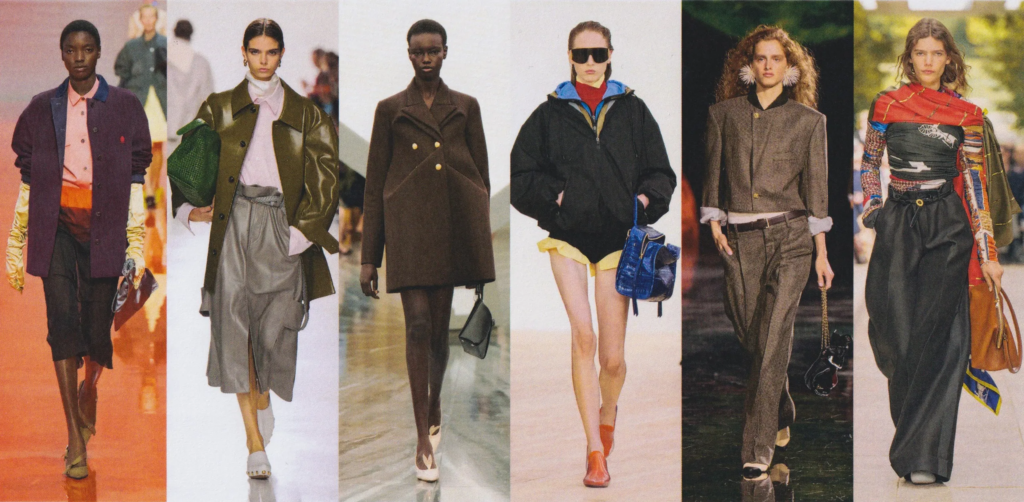
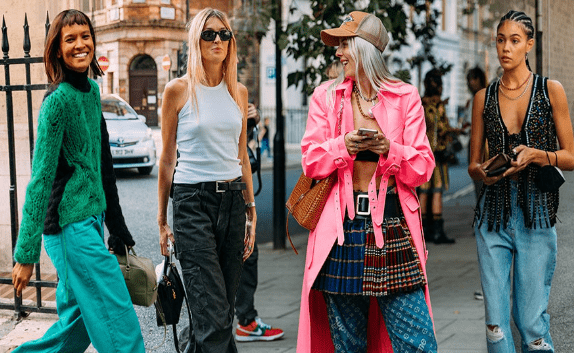
While minimalism remains popular, maximalist fashion has surged as people embrace bold colors, mixed patterns, and statement pieces. This trend celebrates individuality and creativity, encouraging fashion enthusiasts to experiment with layering, texture mixing, and unexpected combinations.
Bright colors, oversized accessories, and dramatic silhouettes define maximalist American fashion. This approach to dressing reflects optimism and self-confidence, allowing wearers to express personality through clothing choices that demand attention and spark conversation.
Tech-Integrated Fashion
Wearable technology has seamlessly integrated into American fashion, with smart fabrics, temperature-regulating materials, and connected accessories becoming increasingly sophisticated. Fashion tech ranges from fitness-tracking jewelry to color-changing garments and phone-charging handbags.
This intersection of fashion and technology reflects American innovation culture, where functionality enhances aesthetic appeal. As technology becomes more refined and less obtrusive, expect greater integration of smart features into everyday fashion items.
Best American Fashion Brands
Luxury American Designers
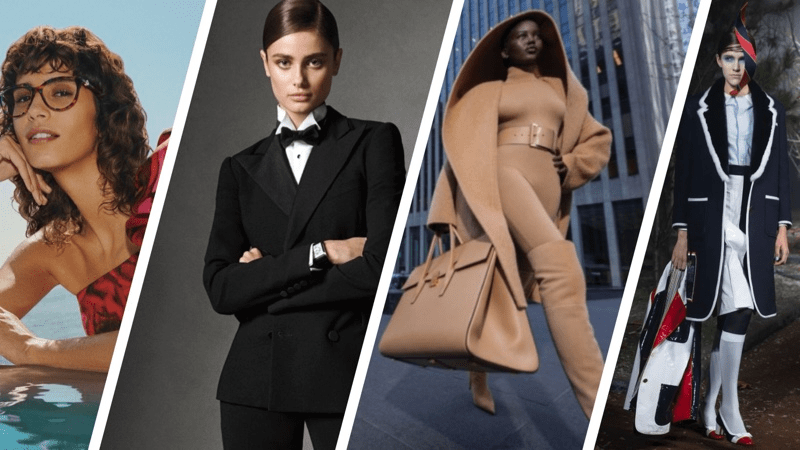
Ralph Lauren remains an iconic American brand synonymous with classic elegance and preppy sophistication. The brand’s collections range from accessible Polo lines to high-end Purple Label offerings, all embodying timeless American style with refined tailoring and quality materials.
Calvin Klein continues to influence global fashion with minimalist designs and modern sensibility. Known for clean lines, neutral colors, and quality construction, Calvin Klein represents understated American luxury that emphasizes simplicity and sophistication.
Michael Kors has built a fashion empire offering accessible luxury with jet-set glamour. The brand successfully bridges high fashion and mainstream appeal, providing sophisticated designs at various price points that appeal to fashion-conscious consumers seeking quality and style.
Tom Ford represents contemporary American luxury at its finest, with impeccably tailored menswear and glamorous womenswear that exudes confidence and sophistication. The brand’s attention to detail and commitment to craftsmanship have established it as a leader in luxury fashion.
Marc Jacobs continues to push creative boundaries with eclectic designs that blend high fashion with street culture. Known for unexpected combinations and playful aesthetics, Marc Jacobs represents American fashion’s innovative and experimental spirit.
Contemporary American Brands
Reformation has revolutionized sustainable fashion by creating environmentally conscious clothing that doesn’t compromise on style. The brand’s feminine silhouettes, vintage-inspired designs, and transparent sustainability practices have made it a favorite among conscious consumers.
Everlane pioneered radical transparency in fashion, revealing true costs and ethical manufacturing processes. The brand’s minimalist essentials and commitment to fair pricing have attracted customers seeking quality basics with ethical credentials.
Outdoor Voices redefined activewear by emphasizing recreation over competition, creating stylish performance wear for everyday movement. The brand’s inclusive approach to fitness fashion has resonated with consumers seeking functional yet fashionable athletic wear.
Glossier expanded beyond beauty into fashion with minimalist, comfortable clothing that reflects the brand’s aesthetic of effortless cool. The company’s direct-to-consumer model and community-driven approach have created devoted followers.
Warby Parker transformed eyewear fashion with affordable, stylish frames and a socially conscious business model. While primarily known for glasses, the brand has influenced how Americans think about accessible fashion and social responsibility.
Streetwear and Urban Fashion
Supreme remains the undisputed king of American streetwear, with limited releases that create cultural phenomena and command premium resale prices. The brand’s collaborations and hype-driven model have influenced fashion far beyond streetwear circles.
Stüssy continues its legacy as a streetwear pioneer, blending surf culture with urban aesthetics. The brand’s relaxed California style has maintained relevance across decades, appealing to both longtime fans and new generations.
Kith has elevated streetwear through premium materials and sophisticated designs that bridge casual and luxury fashion. The brand’s collaborations and retail experiences have redefined what streetwear can be.
Off-White brought high-fashion sensibility to streetwear, creating designs that blur boundaries between luxury and casual wear. The brand’s distinctive aesthetic and cultural cachet have made it a status symbol in contemporary fashion.
Fear of God combines streetwear elements with luxury craftsmanship, creating elevated basics and statement pieces that define modern American casual wear. The brand’s neutral palette and refined silhouettes have attracted fashion enthusiasts seeking sophisticated street style.
Best Fashion Shopping Destinations in the USA
New York City
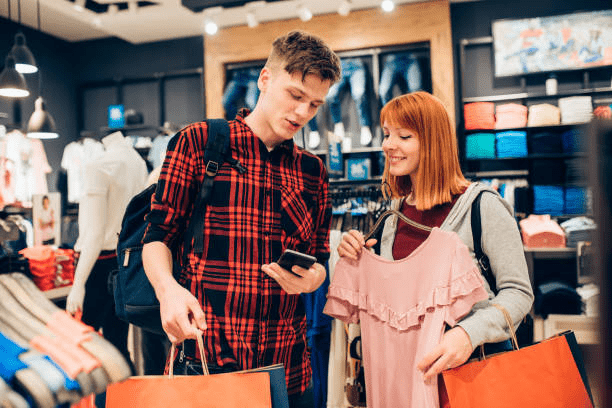
Fifth Avenue remains America’s most prestigious shopping destination, home to flagship stores of luxury brands from Bergdorf Goodman to Tiffany & Co. The avenue offers an unparalleled concentration of high-end retailers and department stores that showcase the best in international and American fashion.
SoHo provides eclectic shopping with a mix of contemporary brands, independent boutiques, and emerging designers. The neighborhood’s cast-iron architecture creates a unique backdrop for fashion exploration, with stores ranging from streetwear havens to avant-garde boutiques.
Brooklyn’s Williamsburg has emerged as a hub for independent fashion, vintage shops, and emerging designers. The area’s creative energy attracts fashion-forward shoppers seeking unique pieces and supporting local artisans.
The Meatpacking District combines luxury shopping with trendy boutiques and flagship stores. The area’s transformation from industrial zone to fashion destination exemplifies New York’s ability to reinvent and innovate.
Los Angeles
Rodeo Drive in Beverly Hills epitomizes luxury shopping with the world’s most prestigious fashion houses concentrated along three blocks. This iconic destination offers personal shopping experiences and exclusive collections in an atmosphere of California glamour.
Melrose Avenue provides diverse shopping from high-end boutiques to vintage stores and streetwear shops. The street’s eclectic mix reflects Los Angeles’s diverse fashion culture and creative spirit.
Abbot Kinney Boulevard in Venice showcases California cool with independent boutiques, sustainable fashion brands, and lifestyle stores. The area embodies laid-back Los Angeles style with an emphasis on quality and individuality.
The Grove offers comprehensive shopping with major retailers and luxury brands in an outdoor setting that combines entertainment and fashion. The destination attracts both locals and tourists seeking a complete shopping experience.
Miami
Miami Design District has established itself as a luxury fashion destination with flagship stores of international designers and cutting-edge contemporary brands. The area’s art galleries and design showrooms create a cultural shopping experience.
Lincoln Road in South Beach offers pedestrian-friendly shopping with a mix of mainstream brands and local boutiques. The outdoor mall’s tropical setting makes shopping a leisure activity enhanced by Miami’s vibrant atmosphere.
Bal Harbour Shops provides upscale shopping in an elegant open-air setting, featuring luxury brands and exclusive boutiques. The destination’s curated selection and impeccable service attract discerning shoppers seeking the finest fashion.
San Francisco
Union Square serves as San Francisco’s shopping heart with department stores and luxury brands clustered around the iconic square. The area offers comprehensive shopping options from accessible fashion to high-end luxury.
Hayes Valley provides independent boutiques and emerging designers in a neighborhood atmosphere. The area’s focus on local businesses and unique finds attracts shoppers seeking alternatives to mainstream fashion.
Fillmore Street combines upscale shopping with neighborhood charm, featuring contemporary brands and specialty boutiques. The street’s Victorian architecture and diverse offerings create an enjoyable shopping environment.
Chicago
The Magnificent Mile on Michigan Avenue rivals Fifth Avenue as a premier shopping destination, with luxury retailers and flagship stores stretching along Chicago’s most famous street. The concentration of fashion options makes it a comprehensive shopping experience.
Oak Street offers luxury shopping in a more intimate setting, with high-end boutiques and designer showrooms. The street’s exclusivity and personalized service attract serious fashion enthusiasts.
Wicker Park and Bucktown provide alternative shopping with vintage stores, independent designers, and contemporary boutiques. These neighborhoods reflect Chicago’s creative culture and offer unique fashion discoveries.
Regional American Fashion Styles
East Coast Preppy
East Coast fashion, particularly in New England and the Mid-Atlantic, embraces preppy aesthetics with tailored pieces, classic patterns, and timeless silhouettes. Think blazers, oxford shirts, cable-knit sweaters, and loafers that create polished, collegiate-inspired looks.
This style emphasizes quality over quantity, with investment pieces that last for years. Neutral colors, traditional patterns like stripes and plaids, and refined accessories characterize the East Coast approach to fashion.
West Coast Casual
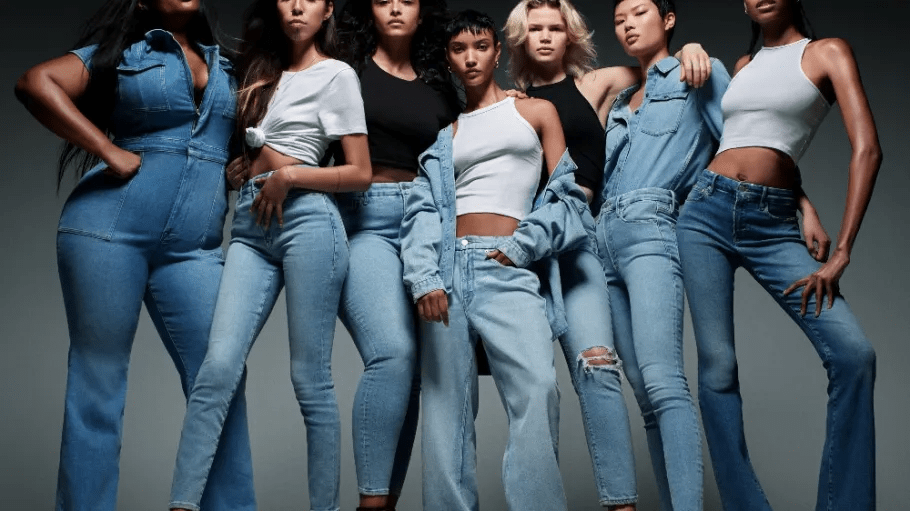
California and the broader West Coast favor relaxed, effortless style that prioritizes comfort and functionality. Denim, athleisure, flowing fabrics, and minimal accessories create looks that transition easily from beach to city.
The West Coast aesthetic embraces natural beauty and easy-going confidence, with fashion choices that reflect an active, outdoor lifestyle. Sustainable materials and ethical brands align with West Coast values of environmental consciousness.
Southern Charm
Southern fashion blends traditional elegance with modern trends, featuring feminine silhouettes, bold colors, and statement accessories. Sundresses, tailored separates, and attention to grooming and presentation characterize Southern style.
The region’s warm climate influences fashion choices toward lighter fabrics and vibrant prints, while social occasions call for polished, put-together looks that honor Southern hospitality traditions.
Midwest Practical
Midwest fashion emphasizes practicality and versatility, with pieces that work across seasons and occasions. Layering is essential given variable weather, and investment in quality outerwear reflects the region’s climate demands.
The Midwest style favors accessible brands, functional fashion, and timeless pieces over trendy items. This approach creates wardrobes that prioritize value and longevity.
Urban Streetwear
Major American cities have developed distinct streetwear cultures that influence global fashion. New York’s hip-hop influenced style, Los Angeles’s skate culture, and Chicago’s unique urban aesthetic all contribute to American streetwear’s diversity.
Sneaker culture, graphic tees, hoodies, and statement outerwear define urban streetwear, with limited releases and collaborations driving excitement and community engagement.
Best Fashion Events in the USA
New York Fashion Week
New York Fashion Week stands as America’s premier fashion event, attracting international designers, celebrities, and media twice yearly. The week-long celebration showcases upcoming collections, sets global trends, and reinforces New York’s position as a fashion capital.
Beyond runway shows, NYFW includes presentations, parties, and industry events that create networking opportunities and cultural moments. The event has expanded to include digital presentations and consumer-facing experiences, making fashion more accessible.
Miami Swim Week
Miami Swim Week celebrates resort and swimwear fashion, showcasing designs that reflect beach culture and vacation style. The event’s tropical setting and focus on summer fashion create a unique atmosphere distinct from traditional fashion weeks.
Designers present collections that influence global swimwear trends, while the week’s parties and beach events celebrate Miami’s vibrant fashion and lifestyle culture.
Los Angeles Fashion Week
LA Fashion Week emphasizes California’s influence on contemporary fashion, with shows featuring streetwear, sustainable fashion, and emerging designers. The event reflects Los Angeles’s creative diversity and innovation in fashion.
The week includes industry panels, pop-up shops, and experiential events that engage both fashion professionals and enthusiasts, showcasing LA’s unique approach to fashion presentation.
Art Basel Miami Beach
While primarily an art fair, Art Basel Miami Beach has become a significant fashion event with brands hosting presentations, parties, and activations. The intersection of art and fashion creates unique collaborations and cultural moments.
Fashion enthusiasts attend to see and be seen, with Art Basel week becoming a showcase for personal style and brand activation that influences fashion conversations.
Sustainable Fashion in America
Leading Sustainable Brands
Patagonia pioneered corporate environmental responsibility in fashion, creating durable outdoor wear with recycled materials and transparent supply chains. The brand’s commitment to activism and sustainability has influenced the entire industry.
Eileen Fisher builds sustainable fashion through timeless designs, organic materials, and take-back programs that give clothing new life. The brand demonstrates that luxury and sustainability can coexist beautifully.
Mara Hoffman creates vibrant, feminine designs with sustainable materials and ethical production methods. The brand proves that eco-conscious fashion can be bold, colorful, and celebratory.
Christy Dawn uses deadstock fabric to create romantic, limited-edition pieces that minimize waste. The brand’s farm-to-closet program explores regenerative agriculture’s role in fashion sustainability.
Rental and Resale Platforms
Rent the Runway revolutionized fashion consumption by offering designer rentals for special occasions and everyday wear. The subscription model allows access to luxury fashion without ownership, reducing environmental impact.
The RealReal provides authenticated luxury consignment, giving designer pieces second lives while making luxury more accessible. The platform’s growth reflects increasing acceptance of pre-owned luxury.
Vestiaire Collective connects global buyers and sellers of authenticated pre-owned luxury fashion, creating a circular economy for high-end pieces. The platform’s curation and authentication processes ensure quality and authenticity.
ThredUp makes secondhand shopping convenient with an extensive online marketplace for everyday brands. The platform’s data on fashion waste and consumer behavior has influenced sustainability conversations.
American Fashion Icons and Influencers
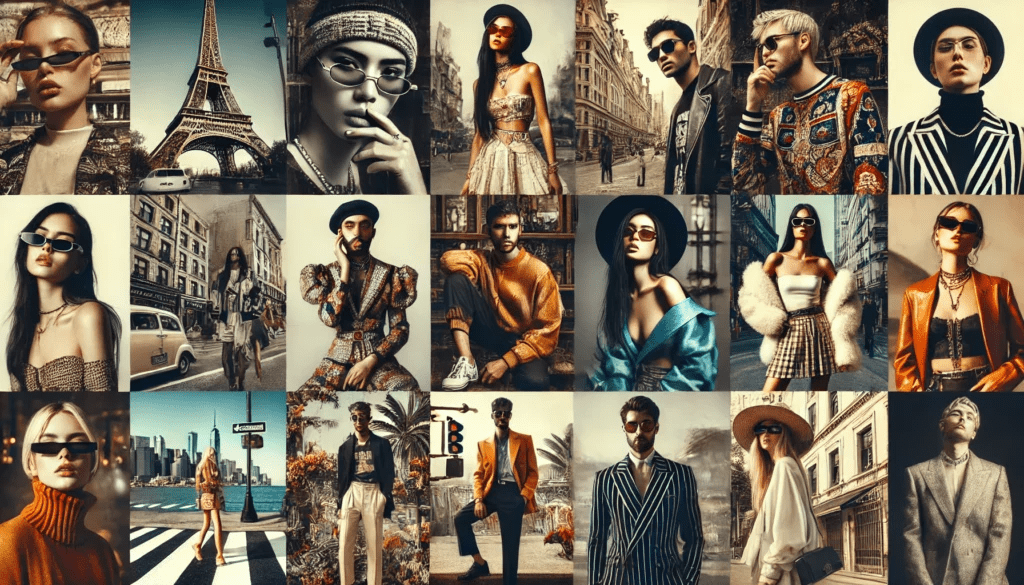
Historical Fashion Icons
Jacqueline Kennedy Onassis defined American elegance with her refined style and support for American designers. Her influence on fashion remains evident in continued appreciation for polished, classic aesthetics.
Audrey Hepburn, though not American-born, became an American style icon through her film roles and timeless personal style. Her collaboration with Hubert de Givenchy created looks that continue inspiring contemporary fashion.
Andy Warhol influenced fashion through pop art’s intersection with style, celebrity, and consumer culture. His aesthetic and philosophy continue shaping how fashion engages with art and popular culture.
Grace Kelly embodied American grace and sophistication, with her transition from Hollywood to royalty creating a fashion legacy of elegant simplicity and refined glamour.
Contemporary Fashion Influencers
Social media has democratized fashion influence, with bloggers, content creators, and stylists shaping trends and consumer behavior. Influencers like Chiara Ferragni, Aimee Song, and Camila Coelho have built fashion empires through digital platforms.
These modern icons influence everything from brand collaborations to shopping behavior, with their personal style and accessibility creating new models for fashion leadership. Their success demonstrates fashion’s evolution from top-down dictation to community-driven trends.
Shopping Tips for Best Fashion Deals
Timing Your Purchases
Understanding retail cycles helps maximize value when shopping American fashion. End-of-season sales typically occur in January for winter items and July for summer pieces, offering significant discounts on current-season merchandise.
Black Friday and Cyber Monday provide excellent opportunities for deals across all price points, with many retailers offering their deepest discounts. However, shopping these events requires strategy and quick decision-making given limited inventory.
Outlet Shopping
American outlet malls offer designer and brand-name fashion at reduced prices, though quality and selection vary. Premium outlets like Woodbury Common in New York and Desert Hills in California provide authentic brand experiences with significant savings.
Understanding outlet pricing models helps identify genuine deals versus items manufactured specifically for outlets. Look for merchandise tags, construction quality, and compare prices to regular retail to ensure value.
Sample Sales and Warehouse Sales
Major fashion cities host sample sales where designers sell samples, overstock, and previous collections at steep discounts. Websites like 260 Sample Sale and Sample Sale Shop provide information on upcoming events.
Warehouse sales from brands like Outdoor Voices and Everlane offer significant discounts on overstock and slightly imperfect items, providing opportunities to access quality pieces at reduced prices.
Online Shopping Strategies
Browser extensions like Honey and Rakuten provide automatic coupon codes and cashback on purchases, effectively reducing costs without additional effort. Email newsletters often include exclusive discounts and early access to sales.
Following brands on social media can provide access to flash sales and influencer discount codes. Many brands reward social engagement with special offers and first looks at new collections.
Building an American Fashion Wardrobe
Essential Pieces
A well-rounded American fashion wardrobe begins with quality basics that transcend trends. Investment pieces like a well-fitted blazer, classic denim, white button-down shirts, and versatile outerwear form the foundation for countless outfit combinations.
Quality shoes, including comfortable sneakers, classic boots, and elegant flats or dress shoes, prove essential for American style’s emphasis on versatility. Accessories like structured bags, simple jewelry, and timeless sunglasses complete looks without overwhelming.
Mixing High and Low Fashion
American fashion celebrates democratic style where luxury pieces mix with affordable finds. Pairing designer jeans with a mass-market tee or thrifted vintage with contemporary accessories creates personal style that reflects individuality rather than price tags.
This approach allows investment in quality for frequently worn items while experimenting with trends through more accessible pieces. The result is authentic personal style that doesn’t require unlimited budgets.
Seasonal Updates
Rather than complete wardrobe overhauls, American fashion wisdom suggests seasonal updates that refresh existing wardrobes. Adding trending colors, new accessories, or statement pieces keeps style current without excessive consumption.
Evaluating what’s worn regularly versus what languishes unworn helps refine personal style and guides future purchases. This mindful approach creates cohesive wardrobes that reflect genuine preferences and lifestyle needs.
Future of American Fashion
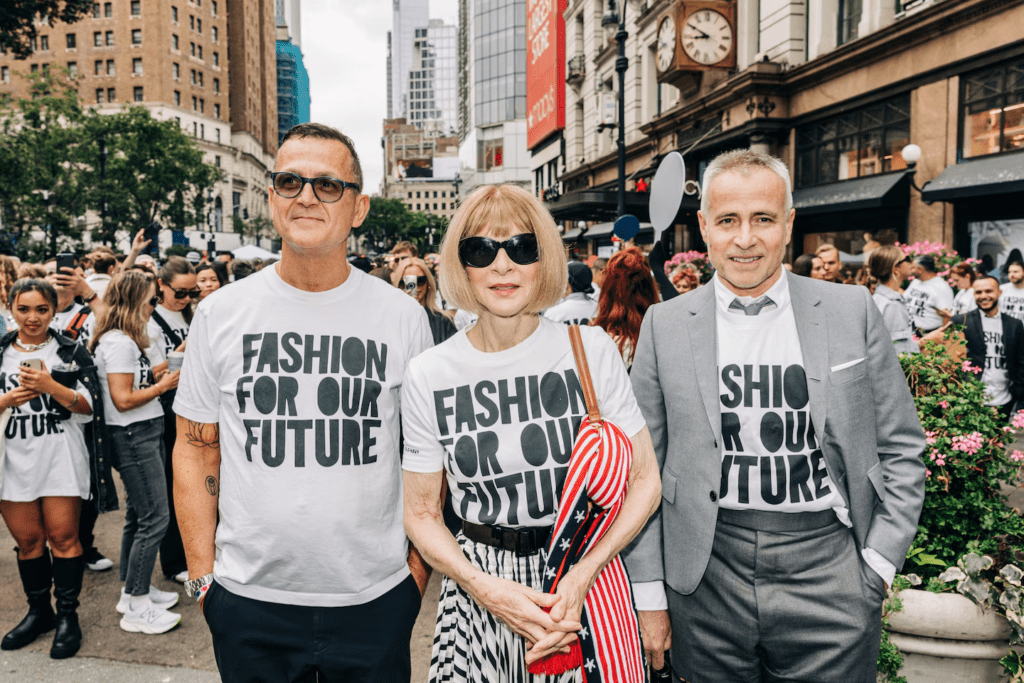
Digital Fashion and Virtual Clothing
The rise of digital fashion for virtual environments and social media represents an emerging frontier. American companies are developing virtual clothing for avatars, augmented reality try-on experiences, and NFT fashion items.
This innovation addresses sustainability concerns while creating new creative possibilities. As virtual and physical lives increasingly intersect, digital fashion may become a standard complement to traditional wardrobes.
Customization and Personalization
Technology enables mass customization, allowing consumers to personalize fits, colors, and details. American brands are investing in made-to-order models that reduce waste while meeting individual preferences.
AI-driven styling recommendations and virtual fitting rooms improve online shopping experiences, addressing fit issues that have limited e-commerce adoption. These technologies make personalized fashion more accessible and affordable.
Continued Sustainability Focus
Environmental and social consciousness will increasingly influence American fashion choices. Brands that transparently address sustainability and ethics will gain competitive advantages as consumers prioritize values alongside aesthetics.
Circular fashion models, biodegradable materials, and local production will likely expand as technology and consumer demand align. American innovation in sustainable fashion positions the country to lead global industry transformation.
Conclusion
American fashion in 2026 represents a dynamic, diverse landscape where innovation meets tradition, luxury coexists with accessibility, and individual expression trumps rigid rules. From New York’s sophisticated runways to California’s laid-back street style, American fashion offers something for every aesthetic preference and budget.
The industry’s evolution toward sustainability, inclusivity, and digital integration reflects broader cultural values while maintaining the creativity and entrepreneurship that have always characterized American fashion. Whether shopping luxury flagships on Fifth Avenue, discovering vintage treasures in Portland, or browsing online platforms, American fashion provides endless opportunities for personal style development.
Understanding regional differences, seasonal trends, and shopping strategies empowers fashion enthusiasts to navigate America’s vast fashion landscape effectively. As the industry continues evolving, American fashion’s commitment to innovation, diversity, and self-expression ensures its continued influence on global style.
The best fashion in the USA ultimately comes down to personal expression, quality craftsmanship, and the confidence to wear what makes you feel authentic. Whether embracing timeless classics or experimenting with cutting-edge trends, American fashion celebrates the freedom to define style on your own terms.